Chermoula is a North African spice blend that turns simple grilled meat and fish into something that tastes like it took real effort. Built around cumin, coriander, paprika, and turmeric, it’s earthy, warm, and layered — the kind of seasoning that works on chicken thighs on a Tuesday night just as well as it does on a whole roasted fish for a crowd. and Tunisian cooking. It adds a kick of flavor to your favorite meats and vegetables.
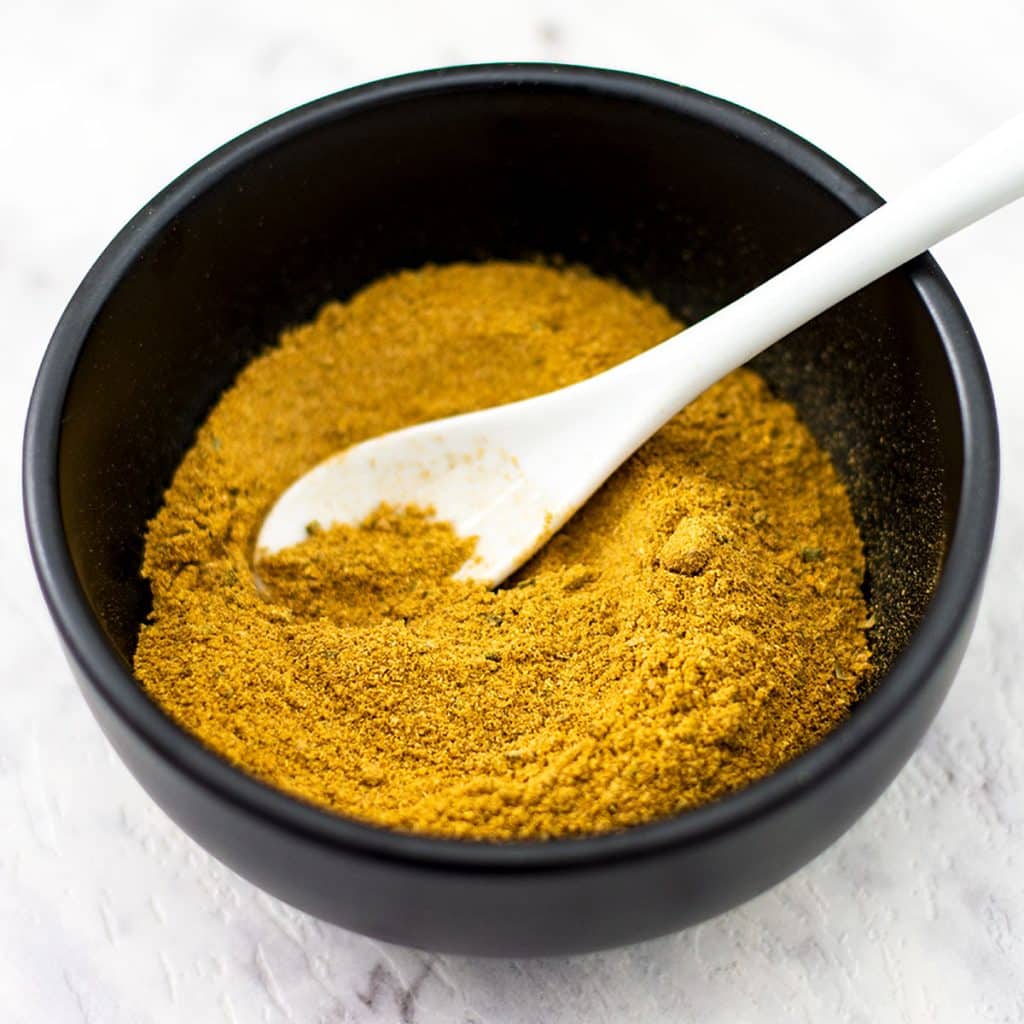
This recipe is a dry blend (wet chermoula sauce recipe and instructions at the bottom of the page)— no fresh herbs, no oil — which means it takes about 5 minutes to make and keeps in your spice cupboard for months. Mix it once and it’s there whenever you need it.
Below you’ll find everything about what chermoula is, what it tastes like, what to use it on, how it compares to similar blends like ras el hanout and za’atar, and how to store it. The recipe is further down the page.
I’ve been making this blend for years and the ratio here is where I landed after a lot of testing. I use it most on chicken thighs and fish on the grill — it’s one of those rubs that chars well at high heat without burning bitter. If I’m cooking outdoors I’ll mix it with olive oil and lemon directly in the bag with the protein and let it sit while the coals get going. Fifteen minutes is enough; overnight is better.
At a glance
Table of contents
What is Chermoula?
Chermoula (also spelled charmoula or chermula) is a herb and spice blend from North Africa — used in Moroccan, Algerian, and Tunisian cooking. It functions as a dry rub, a marinade base, or a finishing seasoning depending on the form.
The blend is built around cumin, coriander, paprika, and turmeric, with dried herbs and a touch of chili. It’s earthy, warm, and layered — not hot, not sharp, not one-dimensional. It makes proteins taste like you put more effort in than you actually did.
This recipe is a dry spice blend — no fresh herbs, no oil. That keeps it shelf-stable and ready to use.
What does Chermoula taste like?
Earthy and warm. Cumin does most of the heavy lifting — you’ll notice it first. Coriander adds a slightly citrusy, floral note underneath. Paprika brings mild sweetness and color. Turmeric adds depth without dominating. The dried herbs pull it in a savory direction.
The overall effect is layered without being aggressive. It doesn’t taste like any single spice — it tastes like all of them working together. Heat is mild to moderate and easy to adjust in either direction.
If you’ve used ras el hanout before, chermoula sits in the same North African flavor neighborhood but is gentler and more herb-forward.
What to use Chermoula on
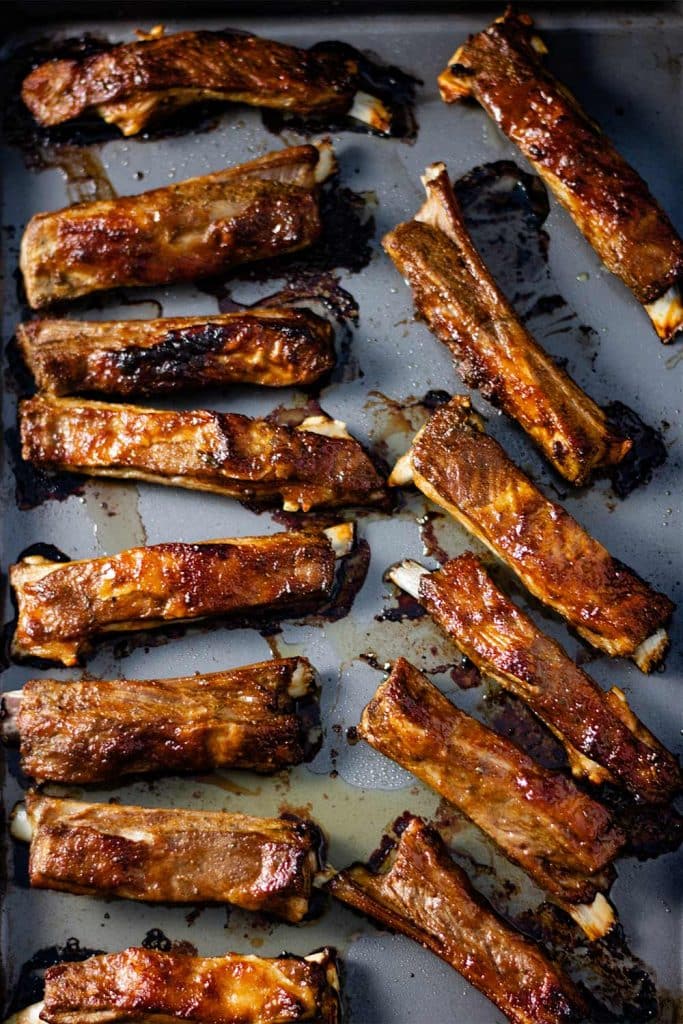
Chermoula was built for grilled chicken, meat and roasted vegetables. Use it anywhere you’d reach for a spice rub.
Meat and poultry
- Chicken thighs — press under the skin before roasting, or rub directly on boneless thighs before grilling
- Lamb chops or lamb shoulder — coat and rest 30 minutes before cooking
- Chuck roast — works as a slow-cooker dry rub; adds depth to braised beef
- Ground beef or lamb — mix directly into meatballs or kofta
- Pork ribs or pork shoulder — combine with salt before roasting low and slow
Fish and seafood
- Firm white fish — barramundi, snapper, cod, or halibut
- Salmon fillets — coat and pan-fry or bake at high heat
- Prawns — toss before grilling or pan-frying; they take on spice fast
- Whole fish — stuff the cavity with the blend, oil, and lemon before roasting
Vegetables
- Cauliflower florets — coat in oil and chermoula, roast at 425°F/220°C until charred at the edges
- Zucchini or eggplant on the grill
- Any sheet pan vegetable mix — toss in oil and the blend before roasting
- Roasted mushrooms — portobello or cremini
Other uses
- Stir into plain full-fat yogurt for a quick dipping sauce
- Mix with olive oil and lemon juice to make a wet chermoula marinade
- Add to bone broth-based sauces for extra depth
- Season scrambled eggs or a frittata — half a teaspoon per 4-egg serving
Chermoula vs Ras el hanout
Both are North African spice blends used in Moroccan cooking. They’re not interchangeable.
| Chermoula | Ras el hanout | |
|---|---|---|
| Origin | Morocco, Algeria, Tunisia | Morocco |
| Complexity | Moderate — 6 to 10 spices | High — 20 to 30+ spices |
| Key flavors | Cumin, coriander, paprika, dried herbs | Cinnamon, cardamom, rose, warm sweetness |
| Heat level | Mild to moderate | Mild — more floral than hot |
| Best use | Grilled meat, fish, marinades, rubs | Tagines, braised meat, slow-cooked dishes |
| Keto-friendly | Yes | Yes — check commercial blends for fillers |
The practical difference: chermoula is herb-forward and savory. Ras el hanout is sweeter, warmer, and more perfumed. If a recipe calls for one, don’t swap in the other expecting the same result.
Chermoula vs Za’atar
Za’atar comes up as a comparison because both are herb-forward blends from the same broad region. They’re quite different in practice.
| Chermoula | Za’atar | |
|---|---|---|
| Origin | North Africa | Levant (Lebanon, Syria, Israel, Jordan) |
| Base flavor | Earthy, warm, cumin-forward | Tangy, herby, sumac-forward |
| Key ingredients | Cumin, coriander, paprika, turmeric | Dried thyme/oregano, sumac, sesame seeds |
| Best use | Meat, fish, rubs, marinades | Flatbread, dips, eggs, roasted vegetables |
| Interchangeable? | No | No |
Storage and shelf life
Dry blend (this recipe): Store in an airtight jar away from direct heat and light. A dark spice cupboard is ideal. Properly stored it holds its potency for 3 to 4 months. After that it won’t be harmful, but the volatile oils in the spices break down and the flavor flattens.
Wet chermoula (made with fresh herbs and oil): Keeps in the fridge for up to 1 week in a sealed container. Freeze in ice cube trays for up to 3 months.
Tips to extend shelf life:
- Use a dry spoon every time — moisture kills spice blends fast
- Buy whole cumin and coriander seeds and grind them fresh — whole spices last 2+ years, ground lasts months
- Label the jar with the date you made it
- Keep away from the stove — heat and steam degrade spices quickly
- Glass jars outperform plastic — less porous, seals better
Quick test: rub a small amount between your fingers and smell it. If the aroma is weak or stale, make a fresh batch.
How to make Chermoula spice mix (dry blend)
This is the shelf-stable version — just spices, no oil or fresh herbs. Make a batch and it’s ready whenever you need it. The whole thing takes about 5 minutes.
Ingredients
- 2 teaspoons ground cumin
- 2 teaspoons ground coriander
- 2 teaspoons smoked paprika
- 1 teaspoon ground turmeric
- 1 teaspoon dried chili flakes (reduce to ½ teaspoon for milder heat)
- 1 teaspoon garlic powder
- 1 teaspoon onion powder
- 1 teaspoon dried parsley
- 1 teaspoon dried cilantro
- ½ teaspoon ground black pepper
- ½ teaspoon ground ginger
- ½ teaspoon sea salt
Makes approximately 4 tablespoons. Enough for 3–4 batches of protein.
Method
- Add all the spices to a small bowl and mix well until fully combined.
- Taste and adjust — more chili for heat, more cumin if you want a deeper earthy note.
- Transfer to an airtight glass jar and label with the date.
- Store in a cool, dark cupboard for up to 3–4 months.
That’s it. No toasting required, though if you have whole cumin and coriander seeds you can toast them in a dry pan for 60 seconds before grinding — it adds noticeable depth.
Chermoula Spice Blend – Meat Rub Mix
Rate it
Print Pin Share EmailUnit Conversion
Ingredients
- 2 tablespoons Cumin ground
- 1 tablespoons Coriander ground
- 1 tablespoon Dried Parsley
- 1 ½ teaspoons Sweet Paprika ground
- 1 teaspoon Cinnamon ground
- 1 teaspoon Garlic Powder
- ½ teaspoon Pepper ground
- ½ teaspoon Allspice ground
- ½ teaspoon Ginger Powder
- ½ teaspoon Turmeric ground
- ¼ teaspoon Cayenne ground
Instructions
- Place all ingredients into a bowl and mix well.
- Store in an airtight container.
Nutrition

How to make Chermoula sauce (wet version)
The wet version is what you’ll find used across North African cooking — as a marinade before cooking, and as a sauce spooned over finished food. Both start from the same base. The difference is when you use it and how thick you make it.
Ingredients
- 3 teaspoons chermoula dry blend (from the recipe above, or store-bought)
- 3 tablespoons extra virgin olive oil
- 1 tablespoon fresh lemon juice (approximately half a lemon)
- 1 teaspoon lemon zest
- 2 garlic cloves, finely minced
- ¼ cup fresh cilantro, roughly chopped
- ¼ cup fresh flat-leaf parsley, roughly chopped
- Salt to taste
Makes approximately ½ cup. Enough to marinate 1–1.5 pounds of protein, or to sauce 4 servings.
As a marinade
Use this when you want the flavor to penetrate the protein before cooking. It works best on chicken, lamb, and firm fish.
- Combine all ingredients in a bowl and mix well. The texture should be loose and pourable — add a little more olive oil if it looks too thick.
- Place your protein in a zip-lock bag or shallow dish and pour the marinade over it.
- Coat thoroughly, making sure the herbs and spice get into any cuts or folds in the meat.
- Refrigerate for a minimum of 30 minutes. For chicken thighs or lamb, overnight is noticeably better.
- Remove from the marinade and cook as normal — grill, roast, or pan-fry. Pat the surface lightly with a paper towel before cooking if you want a better sear; too much surface moisture steams rather than chars.
- Discard any marinade that has been in contact with raw meat. Do not use it as a sauce.
As a finishing sauce
Use this when you want to spoon chermoula over cooked food at the table — grilled fish, roasted vegetables, or sliced lamb. Make a fresh batch separate from any marinade you’ve used on raw protein.
- Combine all ingredients and mix well.
- Taste and adjust — more lemon if you want it sharper, more olive oil if you want it milder and more pourable, more fresh herbs if you want it greener and more intense.
- Let it sit for 10 minutes before serving to let the flavors come together.
- Spoon directly over cooked food or serve in a small bowl alongside.
- Store any leftover sauce in a sealed container in the fridge for up to 5 days. The oil will solidify slightly when cold — bring to room temperature and stir before using.
Adapting between the two
The marinade and the sauce use the same ingredients in the same quantities. The only differences are:
- For marinading: make it slightly looser with extra oil so it coats evenly. Use it before cooking.
- For finishing: keep it as-is or reduce the oil slightly for a more intense, herb-forward result. Make a fresh batch — never reuse marinade from raw meat as a sauce.
Frequently Asked Questions
The core ingredients are cumin, coriander, paprika, turmeric, and dried chili. Most versions also include dried herbs — parsley, dried cilantro, or a mix. Some recipes add garlic powder, onion powder, black pepper, and dried ginger. The exact ratio varies by region and cook.
Yes. It’s pure spices with no added sugar, starches, or fillers. At any normal serving size — 1 to 2 teaspoons — net carbs are negligible. Always check commercial pre-made blends though; some add maltodextrin or anti-caking agents.
Mildly. Heat level depends on how much dried chili is in the blend. This recipe is calibrated for mild to moderate warmth. Reduce or skip the chili if you’re heat-sensitive. Increase the cayenne if you want more kick.
Chermoula spice (or dry chermoula) is the shelf-stable blend — just dried spices and herbs. Chermoula sauce is the wet version: the same spices combined with fresh herbs, olive oil, lemon juice, and garlic. The wet version is used in North African cooking as both a marinade and a finishing sauce. This recipe covers the dry blend; you can build the wet version from it by adding oil, lemon, and fresh herbs.
Combine 2 teaspoons of the dry blend with 3 tablespoons of olive oil, 1 tablespoon of lemon juice, and 1 minced garlic clove. Mix well. Use immediately or refrigerate for up to 5 days. This ratio works well for 1 to 1.5 pounds of chicken, fish, or lamb.
For a dry rub: 1 to 1.5 teaspoons per pound (450g) is a good starting point. For mixing into sauces or yogurt: start with 1 teaspoon and adjust to taste. It’s reasonably assertive — a little goes a long way.
Not directly. Ras el hanout is sweeter and more complex (cinnamon, cardamom, rose petals). Chermoula is earthier and herb-forward. In a pinch you can use one in place of the other and still get a good result — it just won’t taste the same.
This dry blend version doesn’t use fresh cilantro — it’s all dried spices, so it’s not an issue here. If you’re making a wet chermoula with fresh herbs and want to skip the cilantro, substitute equal parts flat-leaf parsley.
Yes. It works well in a frittata or with scrambled eggs — about half a teaspoon per 4-egg serving. Add it to the raw egg mixture before cooking, or sprinkle on fried eggs while the whites are still cooking.
This homemade version does not — pure spices are naturally gluten-free. Commercial blends sometimes use shared equipment with gluten-containing products. If you have celiac disease or serious sensitivity, make it yourself or verify the manufacturer’s allergen statement.
Commercial versions exist in specialty food stores and online. Quality varies significantly. Making your own takes about 5 minutes and means you control the ratios, freshness, and heat level. Given how simple it is, homemade is almost always the better call.
Most common in Moroccan, Algerian, and Tunisian cooking. It appears across North Africa and in some Middle Eastern kitchens. It’s become increasingly common in modern Australian and European cooking — particularly with grilled fish and roasted lamb.
More recipes to try with chermoula
- Grilled chicken thighs — use chermoula as the dry rub before grilling
- One-pan chicken thighs — works well as a seasoning variation
- Carnivore chuck roast — try the blend as a slow-cooker rub
- Keto cauliflower rice — serve alongside chermoula-spiced proteins
- Low-carb frittata — add half a teaspoon to the egg mix
Looking for more delicious herb and spice mixtures? Try our;
Key Takeaways
- Chermoula is a North African spice blend made with cumin, coriander, paprika, and turmeric, ideal for meat and fish.
- This recipe provides a quick, dry blend that takes 5 minutes to make and lasts months in your spice cupboard.
- Use chermoula as a dry rub, marinade, or finishing seasoning for grilled chicken, fish, and roasted vegetables.
- The flavors are earthy and warm, making chermoula a versatile choice that enhances dishes without overpowering them.
- Store the dry blend in an airtight jar for 3-4 months and the wet version in the fridge for up to a week.